LinkedIn has become one of the most valuable platforms for professionals, business owners, recruiters, and sales teams. It’s a powerful place to build your personal brand, generate leads, connect with decision-makers, and grow professional relationships.
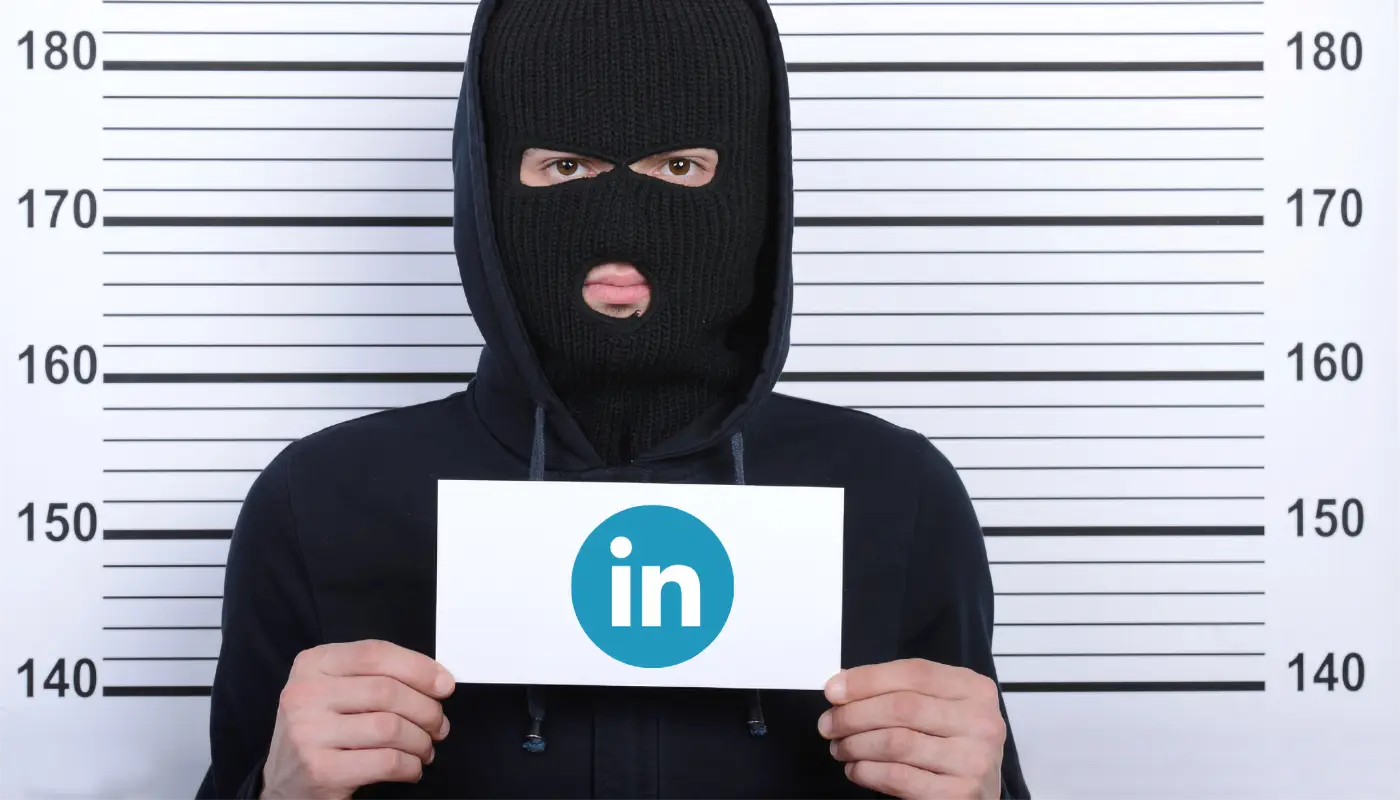
However, many users make the mistake of using aggressive outreach tactics, excessive automation, or spam-like behavior that can trigger LinkedIn account restrictions. Often referred to as “LinkedIn jail,” these restrictions can limit your ability to send connection requests, messages, or use important platform features.
As LinkedIn’s algorithms become more advanced now, it’s more important than ever to use the platform strategically and responsibly. In this guide, we’ll cover the best practices to help you grow your LinkedIn presence safely while building meaningful professional relationships.
One of the fastest ways to trigger LinkedIn restrictions is by sending repetitive, unsolicited, or overly promotional messages.
Modern LinkedIn users expect authentic conversations, not mass sales pitches. Sending the same generic message to hundreds of people can quickly damage your reputation and reduce engagement.
Instead:
Successful LinkedIn networking is built on trust and meaningful interaction. The more genuine your communication feels, the more likely people are to respond positively.
Automation tools can help improve efficiency, but overusing them can put your account at risk. LinkedIn actively monitors unusual activity patterns, including excessive connection requests, automated messaging, and unnatural engagement behavior.
If you use automation tools:
Automation should support your networking strategy, not replace real human interaction.
In 2026, LinkedIn’s detection systems are far more sophisticated, making safe usage and moderation essential.
LinkedIn places limits on:
Exceeding these limits too quickly may trigger temporary restrictions or verification checks.
To stay safe:
Healthy account activity looks natural and relationship-driven rather than overly aggressive.
Building a strong LinkedIn network takes consistency and patience, not mass outreach.
LinkedIn remains a professional networking platform, so maintaining a strong and credible personal brand is essential.
Your profile should include:
Avoid:
Sharing educational, insightful, and industry-related content helps establish authority and encourages meaningful engagement.
The stronger your professional reputation becomes, the easier it is to attract opportunities organically.
One of the biggest mistakes people make on LinkedIn is trying to sell too quickly.
Modern LinkedIn networking is about building trust first. People are more likely to engage with professionals who consistently provide value rather than constantly pushing products or services.
Effective relationship-building strategies include:
Strong professional relationships often lead to better long-term business opportunities than cold outreach alone.
Content plays a major role in LinkedIn growth in 2026. Regularly posting valuable content helps improve visibility, establish expertise, and attract inbound leads.
Content ideas include:
Consistency matters more than perfection. Even posting a few times per week can help improve profile visibility and audience engagement over time.
The goal is to become a trusted voice within your industry.
LinkedIn remains one of the best platforms for professional networking, lead generation, and personal branding. However, success on the platform requires a strategic and authentic approach.
By avoiding spam tactics, using automation responsibly, staying within activity limits, maintaining a professional presence, and focusing on genuine relationship-building, you can safely grow your LinkedIn network and maximize long-term opportunities.